परिचय: पूर्व-लेपित इस्पात की बहु-स्तरीय रक्षा प्रणाली
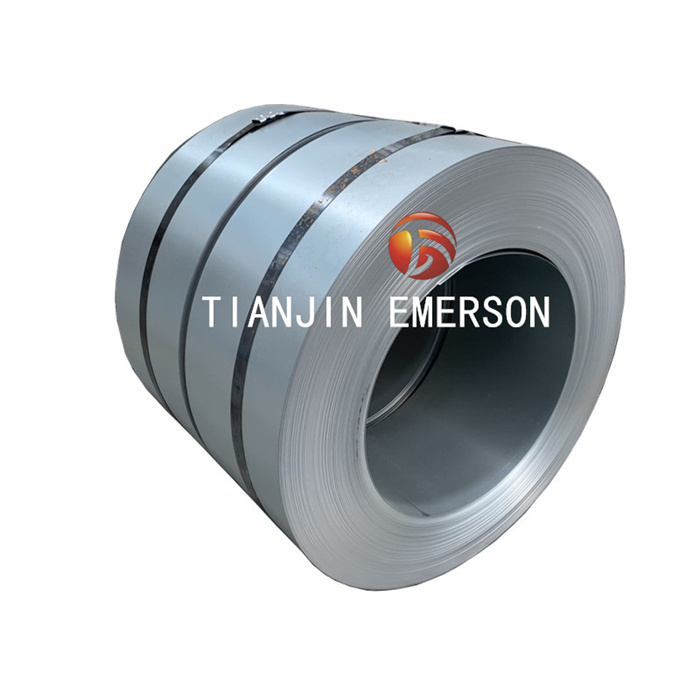
रंग लेपित इस्पात कुंडलियाँ—जिन्हें आमतौर पर पूर्व-लेपित जस्तीकृत लोहा (पीपीजीआई), पूर्व-लेपित इस्पात कुंडलियाँ या रंग लेपित लुढ़कित इस्पात कहा जाता है—इस्पात कुंडलियाँ हैं जिन्हें एक निरंतर कुंडली लेपन लाइन के माध्यम से संसाधित किया जाता है, जहाँ एक या दोनों सतहों को साफ़ किया जाता है, रासायनिक रूप से उपचारित किया जाता है, प्राइमर लगाया जाता है और एक या अधिक कार्बनिक लेपन की परतों के साथ समाप्त किया जाता है, फिर शिपमेंट के लिए पुनः कुंडलित किया जाता है कट या आकार दिए गए भागों पर लगाए गए उत्तर-निर्माण लेपन के विपरीत, कुंडली लेपन प्रक्रिया एक सुसंगत, कारखाने-नियंत्रित लेपन उत्पन्न करती है जो कहीं अधिक एकरूप और स्थायी होता है पीपीजीआई का प्रदर्शन केवल स्टील सबस्ट्रेट या गैल्वनाइज़्ड कोटिंग पर निर्भर नहीं करता है; रंग कोटिंग सिस्टम—जिसमें कई सुरक्षात्मक पेंट परतें शामिल हैं—स्थायित्व, मौसम प्रतिरोधकता और दीर्घकालिक उपस्थिति निर्धारित करने में महत्वपूर्ण भूमिका निभाता है यह लेख रंग लेपित कुंडलियों में उपयोग किए जाने वाले कोटिंग सिस्टम के व्यापक विश्लेषण को प्रस्तुत करता है, जिसमें उनकी संरचना, प्रकार, प्रदर्शन विशेषताएँ और गुणवत्ता नियंत्रण पैरामीटर की जाँच की गई है
कोटिंग सिस्टम की संरचना: एक बहु-परत वास्तुकला
एक विशिष्ट पीपीजीआई रंग कोटिंग सिस्टम में कुंडली कोटिंग प्रक्रिया के दौरान क्रमिक रूप से लगाई गई कई सुरक्षात्मक परतें शामिल होती हैं ये परतें एक बहु-परत संक्षारण प्रतिरोधी सिस्टम का निर्माण करती हैं, जो कठोर परिस्थितियों के तहत स्टील सबस्ट्रेट की रक्षा के लिए डिज़ाइन की गई है सामान्यतः इस क्रम का पालन किया जाता है: स्टील सबस्ट्रेट, धात्विक कोटिंग (आमतौर पर गैल्वनाइज़्ड ज़िंक परत), रासायनिक पूर्व-उपचार परत, प्राइमर कोटिंग, टॉपकोट पेंट परत, और सुरक्षात्मक बैक कोटिंग धात्विक लेपन संक्षारण सुरक्षा की पहली पंक्ति प्रदान करता है, जो बलिदानी क्रिया के माध्यम से होती है, जबकि रंग प्रणाली नमी, ऑक्सीजन और पराबैंगनी विकिरण के खिलाफ एक अवरोध के रूप में कार्य करती है कुल लेपन मोटाई में आधार स्टील, प्राइमर, टॉपकोट और सुरक्षात्मक परत शामिल होती है बाहरी अनुप्रयोगों के लिए सामने की लेपन मोटाई आमतौर पर प्राइमर (≥५ माइक्रोमीटर) और टॉपकोट (≥१५ माइक्रोमीटर) से बनी होती है, जिसकी कुल न्यूनतम मोटाई २० माइक्रोमीटर होती है। टॉपकोट की मोटाई आमतौर पर १०–२५ माइक्रोमीटर के बीच होती है, जबकि बैककोट की मोटाई ५–२० माइक्रोमीटर के बीच होती है मानक टॉपकोट मोटाई लगभग १५–२५ माइक्रोमीटर होती है, जबकि प्राइमर की मोटाई लगभग ५–१० माइक्रोमीटर होती है यह संयोजन संक्षारण सुरक्षा, आकृति निर्माण के दौरान लचीलापन और कुल लागत दक्षता के बीच संतुलन बनाए रखता है .
सामान्य लेपन प्रकार: पीई, एसएमपी, एचडीपी और पीवीडीएफ
पीपीजीआई उत्पादन में कई रंग प्रणालियों का आमतौर पर उपयोग किया जाता है, जिनमें से प्रत्येक टिकाऊपन, चमक धारण क्षमता और पराबैंगनी प्रतिरोध के विभिन्न संतुलन की पेशकश करती है . पॉलिएस्टर (PE) यह एक आर्थिक लेपन है जो हल्के वातावरण के लिए उपयुक्त है . पीई कोटिंग्स उत्कृष्ट चिपकने की क्षमता और आकार देने की क्षमता प्रदान करती हैं, जिससे वे विभिन्न रंगों और समाप्ति के लिए लागत-प्रभावी विकल्प बन जाती हैं . ये सामान्य वातावरण में अच्छा प्रदर्शन करती हैं और ७–८ वर्षों तक संक्षारण सुरक्षा प्रदान करती हैं . हालाँकि, पीई की सीमित यूवी प्रकाश प्रतिरोधकता और चॉकिंग की प्रवृत्ति इसे औद्योगिक या अत्यधिक प्रदूषित क्षेत्रों के लिए कम उपयुक्त बनाती है .
सिलिकॉन संशोधित पॉलिएस्टर (SMP) सिलिकॉन राल को शामिल करके पीई की मौसम प्रतिरोधकता को बढ़ाया जाता है, जो रंग धारण क्षमता और ऊष्मा प्रतिरोधकता में सुधार करता है . आमतौर पर १०–१२ वर्षों के सेवा जीवन के साथ, एसएमपी टिकाऊपन में एक कदम आगे है . समझौता कम आकार देने की क्षमता और चिपकने की क्षमता का है, जिससे यह गहराई से खींचे गए भागों के लिए अनुपयुक्त हो जाता है . एसएमपी मुख्य रूप से ऐसी इमारतों की छतों और दीवारों पर लागू की जाती है जहाँ जटिल आकार देने की आवश्यकता नहीं होती है .
उच्च स्थायित्व वाला पॉलिएस्टर (HDP) पॉलिएस्टर प्रौद्योगिकी में महत्वपूर्ण प्रगति का प्रतिनिधित्व करता है . एचडीपी कोटिंग्स पीवीडीएफ के ६०–८०% प्रदर्शन को एक अधिक सुलभ मूल्य बिंदु पर प्रदान करती हैं साइक्लोएलिफैटिक मोनोमर्स के उपयोग और यूवी-अवशोषित एरोमैटिक्स से बचने से, एचडीपी की बाहरी मौसम प्रतिरोध क्षमता अत्यधिक उत्कृष्ट हो जाती है, जिससे बाहरी उपयोग की सेवा आयु १५ वर्ष तक हो जाती है यह चुनौतीपूर्ण अनुप्रयोगों के लिए एक वैश्विक रूप से मान्यता प्राप्त, लागत-प्रभावी समाधान है .
पॉलीविनिलिडीन फ्लोराइड (PVDF) वास्तुकला संबंधी अनुप्रयोगों के लिए श्रेष्ठ विकल्प है इसके मजबूत आणविक बंध जंग, पराबैंगनी विकिरण और रासायनिक पदार्थों के प्रति अत्यधिक प्रतिरोध प्रदान करते हैं, जिससे रंग स्थायित्व और २०–२५ वर्ष की सेवा आयु सुनिश्चित होती है पीवीडीएफ कोटिंग में फ्लोरोकार्बन राल होता है, जो पराबैंगनी विकिरण और रासायनिक क्षरण के प्रति प्रतिरोधी होता है और जिसका जीवनकाल २० वर्ष से अधिक होता है पीवीडीएफ कोटिंग्स उच्चतम प्रदर्शन स्तर प्रदान करती हैं, जिनमें पराबैंगनी विकिरण, मौसमी प्रभाव और रासायनिक संपर्क के प्रति उत्कृष्ट प्रतिरोध होता है, जिससे कठोर जलवायु में भी दशकों तक रंग और चमक बनी रहती है श्रेष्ठ प्रदर्शन के लिए, उच्च पीवीडीएफ राल सामग्री (७०% या अधिक) वाली कोटिंग्स दीर्घकालिक प्रदर्शन के लिए मानक बनी हुई हैं .
कॉइल कोटिंग प्रक्रिया: सब्सट्रेट से तैयार कॉइल तक
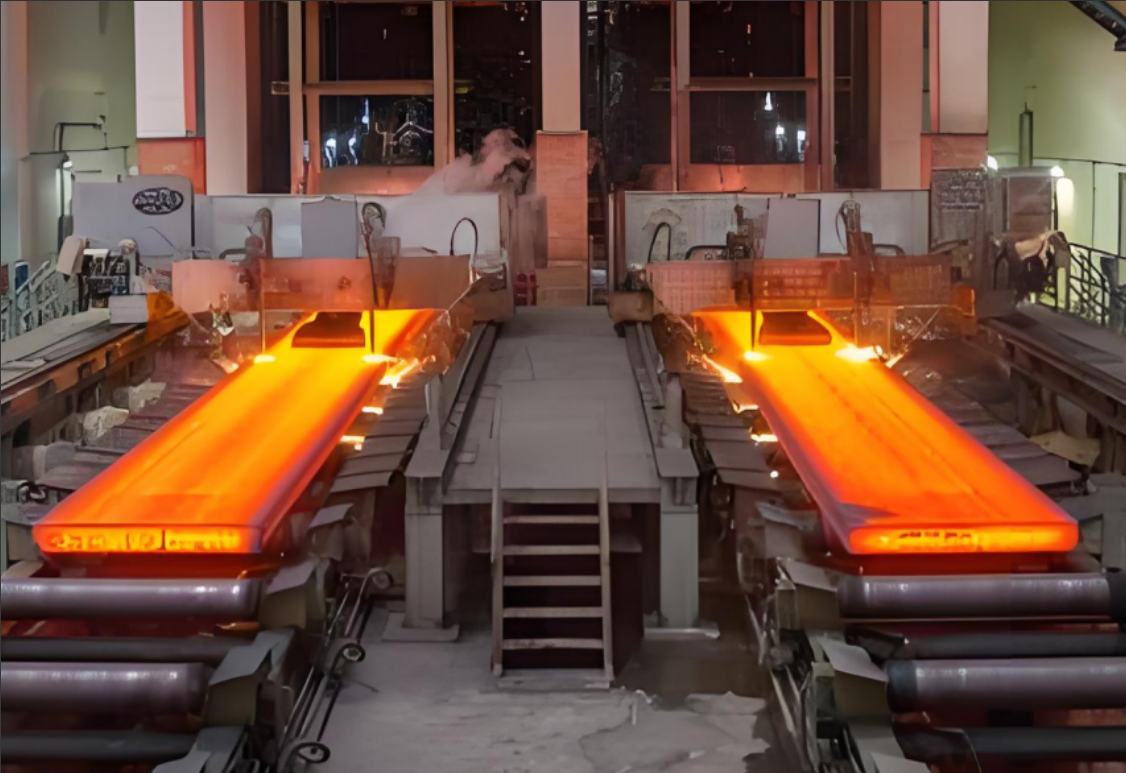
कॉइल कोटिंग प्रक्रिया—जिसे कभी-कभी निरंतर कॉइल कोटिंग लाइन या सीसीएल प्रक्रिया कहा जाता है—एक अत्यधिक स्वचालित, उच्च गति वाली विनिर्माण प्रक्रिया है जो इस्पात स्ट्रिप पर कोटिंग लगाती है, जिसकी लाइन गति सामान्यतः ६० से १५० मीटर प्रति मिनट के बीच होती है । यह प्रक्रिया सतह सफाई और पूर्व-उपचार से शुरू होती है: इस्पात स्ट्रिप को एक श्रृंखला में सफाई चरणों से गुज़ारा जाता है, जिनमें क्षारीय सफायकों और पानी के धोने का उपयोग करके रोलिंग तेल, सतही ऑक्साइड और अशुद्धियाँ हटाई जाती हैं । इसके बाद एक रासायनिक पूर्व-उपचार चरण आता है—आमतौर पर क्रोमेट, क्रोमेट-मुक्त (ज़िरकोनियम या टाइटेनियम-आधारित) या आयरन फॉस्फेट रूपांतरण कोटिंग—जो प्राइमर परत के चिपकने को बढ़ावा देने के लिए रासायनिक रूप से सक्रिय सतह बनाती है तथा फिल्म के नीचे के क्षरण के खिलाफ अतिरिक्त बाधा सुरक्षा प्रदान करती है । पूर्व-उपचार के बाद, रोलर कोटर द्वारा स्ट्रिप के एक या दोनों ओर प्राइमर कोट लगाई जाती है प्राइमर—आमतौर पर एक एपॉक्सी, पॉलीयूरेथेन, या पॉलिएस्टर-आधारित सूत्र—प्री-उपचार और टॉपकोट के बीच चिपकने वाली परत के रूप में कार्य करता है, और अक्सर स्ट्रॉन्शियम क्रोमेट या जिंक फॉस्फेट जैसे संक्षारण-रोधी रंजकों को शामिल करता है प्राइम्ड स्ट्रिप एक क्यूरिंग ओवन से गुज़रती है, जहाँ इसे लगभग २००–२४०°से के शिखर धातु तापमान (पीएमटी) तक गरम किया जाता है टॉपकोट को जमे हुए प्राइमर के ऊपर दूसरे रोलर कोटर स्टेशन द्वारा लगाया जाता है यह परत अंतिम प्री-पेंटेड स्टील कॉइल के रंग, चमक और सतह प्रदर्शन को प्रदान करती है आवेदन के बाद, स्ट्रिप दूसरे क्यूरिंग ओवन से गुज़रती है—फिर से आमतौर पर २२०–२५०°से के पीएमटी तक—और फिर री-कॉइलिंग से पहले लेपित स्ट्रिप को तेज़ी से ठंडा करने के लिए पानी से क्वेंच किया जाता है प्राइमर या टॉपकोट चरण के दौरान अक्सर पीठ की ओर एक बैक कोट लगाया जाता है ताकि गैर-दृश्य फलक पर संक्षारण सुरक्षा और फॉर्मेबिलिटी प्रदान की जा सके .
प्रदर्शन परीक्षण और गुणवत्ता नियंत्रण
रंग-लेपित कुंडलियों के गुणवत्ता नियंत्रण में लेप की अखंडता और स्थायित्व की पुष्टि के लिए प्रदर्शन परीक्षणों का एक व्यापक सूट शामिल है। चिपकावट परीक्षण क्रॉस-हैच विधि (ASTM D3359) का उपयोग टेप हटाने के बाद छीलने के अवलोकन द्वारा लेप चिपकने की गुणवत्ता का मूल्यांकन करने के लिए किया जाता है। उच्च-गुणवत्ता वाले PPGI को 0–1 ग्रेड (कोई छीलना नहीं) प्राप्त करना चाहिए। टी-बेंड परीक्षण आकृति निर्माण क्षमता का मूल्यांकन करता है, जिसमें 0T–2T रेटिंग का अर्थ है कि कठोर निर्माण के दौरान दरार या छीलना नहीं होता है। पेंसिल की कठोरता परीक्षण (ASTM D3363) खरोंच प्रतिरोध को मापता है। नमक स्प्रे परीक्षण (ASTM B117) संक्षारण प्रतिरोध का मूल्यांकन करता है: सामान्य वातावरण के लिए ≥500 घंटे की आवश्यकता होती है, जबकि कठोर वातावरण के लिए ≥1000 घंटे की आवश्यकता होती है, और PVDF लेप 1500+ घंटे की नमकीन छिड़काव प्रतिरोध क्षमता प्राप्त करते हैं। PE लेप आमतौर पर 500–1000 घंटे की नमकीन छिड़काव प्रतिरोध क्षमता प्रदान करते हैं। रंग की बरकत वास्तुशिल्प अनुप्रयोगों के लिए यह महत्वपूर्ण है: PVDF 10 वर्षों में 90% से अधिक रंग धारण करता है, जबकि मानक PE 3–5 वर्षों के बाद स्पष्ट फीकापन दिखा सकता है। यूवी प्रतिरोध और चॉकिंग प्रतिरोध इन क्षेत्रों में PVDF और HDP का भी मूल्यांकन किया जाता है, जो इन क्षेत्रों में उत्कृष्ट प्रदर्शन प्रदान करते हैं।
सब्सट्रेट का चयन और अनुप्रयोग विचार
रंग-लेपित स्टील कॉइल्स के लिए आधार सब्सट्रेट अनुप्रयोग के अनुसार काफी भिन्न हो सकता है सबसे सामान्य सब्सट्रेट गर्म-डुबोए गए जस्तीकृत स्टील (जीआई) है, जो कार्बनिक लेप के नीचे जस्त-आधारित संक्षारण सुरक्षा प्रदान करता है अन्य सब्सट्रेट्स में गैल्वैल्यूम (एल्यूमीनियम-जस्त मिश्र धातु लेपित स्टील), इलेक्ट्रो-गैल्वैनाइज्ड स्टील, कोल्ड-रोल्ड स्टील (सीआर), और कभी-कभी भारी-गेज औद्योगिक उपयोगों के लिए गर्म-रोल्ड पिकल्ड एवं ऑयल्ड (एचआरपीओ) स्टील शामिल हैं धात्विक लेप और कार्बनिक ऊपरी लेप का संयोजन रंग-लेपित स्टील कॉइल उत्पादों को संक्षारण, यूवी क्षरण और यांत्रिक क्षति के विरुद्ध बहु-स्तरीय सुरक्षा प्रदान करता है सही पेंट प्रणाली का चयन मुख्य रूप से उस पर्यावरणीय स्थिति पर निर्भर करता है जहाँ सामग्री का उपयोग किया जाएगा मामूली जलवायु, मध्यम सूर्य प्रकाश और कम प्रदूषण स्तर वाले क्षेत्रों में, पीई लेप प्रणालियाँ अक्सर पर्याप्त होती हैं हालाँकि, तटीय क्षेत्रों, औद्योगिक क्षेत्रों या तीव्र UV विकिरण वाले क्षेत्रों में स्थित परियोजनाओं के लिए आमतौर पर HDP या PVDF जैसे उच्च-प्रदर्शन लेपों की आवश्यकता होती है ये लेप समय के साथ संक्षारण, फीकापन और सतह के क्षरण के प्रति सुधारित प्रतिरोध प्रदान करते हैं खरीदारों को लेप प्रणालियों का चयन करते समय परियोजना के आयु अपेक्षित अवधि, भवन का मूल्य और वारंटी आवश्यकताओं जैसे कारकों पर भी विचार करना चाहिए .