Introduction: Definition and Industrial Significance
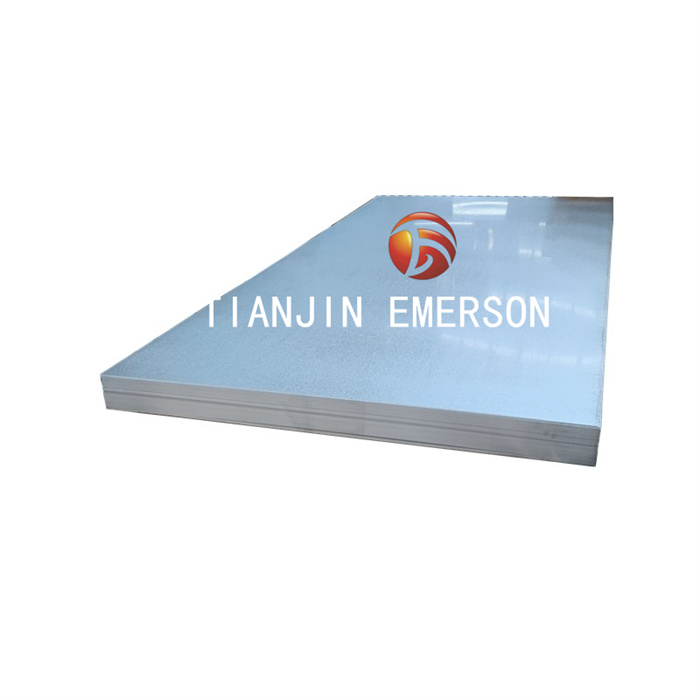
Galvanized sheet refers to flat steel products that have been coated with a layer of zinc to protect the underlying steel from corrosion. This material is produced by either hot-dip galvanizing, where the steel sheet is immersed in molten zinc, or electro-galvanizing, where zinc is deposited electrochemically. The resulting product combines the strength and formability of steel with the corrosion resistance of zinc, making it one of the most widely used materials in construction, appliance manufacturing, automotive production, and general fabrication. Its importance lies in its ability to deliver long-term durability at a competitive cost, reducing maintenance requirements and extending service life across countless applications.
Manufacturing Process Overview
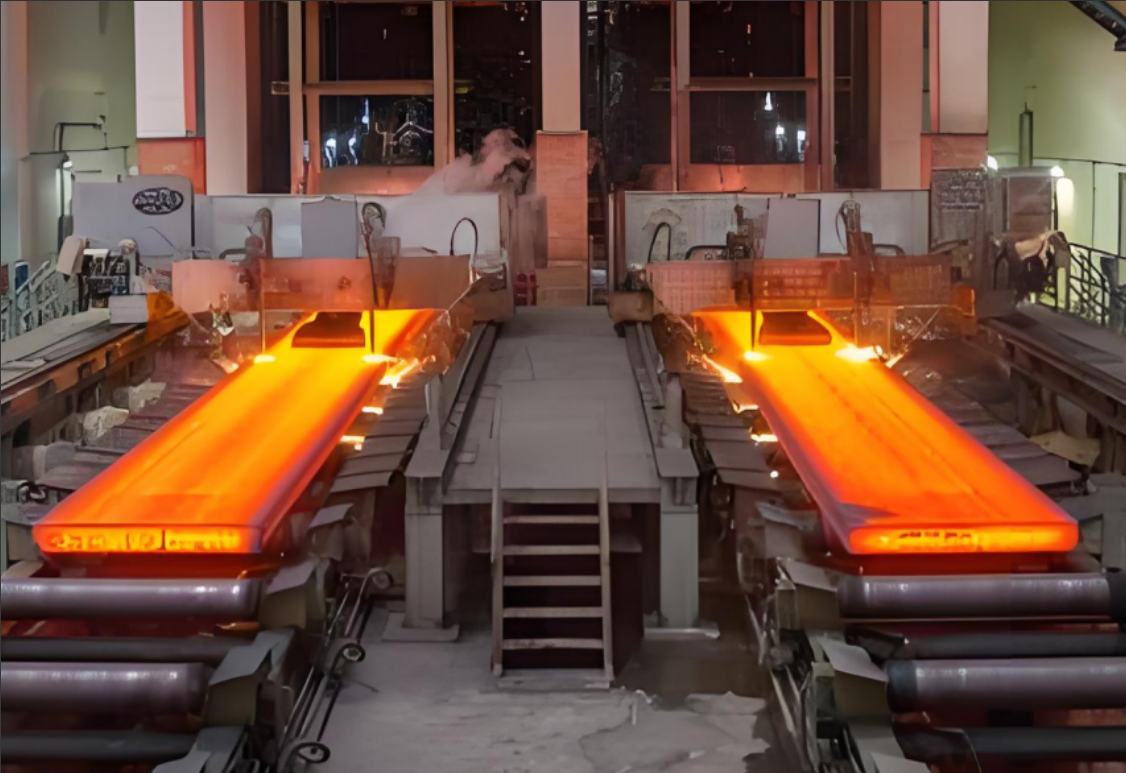
The manufacturing of galvanized sheet begins with cold-rolled or hot-rolled steel coil, which is cleaned and pickled to remove surface oxides. In continuous hot-dip galvanizing, the steel strip passes through a molten zinc bath at approximately 450°C, forming a metallurgically bonded zinc-iron alloy layer. Electro-galvanizing, by contrast, applies a thinner zinc coating through an electrolytic process, producing a smoother surface suitable for painting and precision applications. Both methods yield a sheet with a uniform zinc layer that provides barrier protection and, critically, sacrificial cathodic protection. The coating weight is precisely controlled to meet specific performance requirements, typically ranging from 60 to 275 g/m².
Corrosion Resistance and Protection Mechanism
The primary advantage of galvanized sheet is its exceptional corrosion resistance. Zinc acts as a physical barrier that isolates the steel from moisture, oxygen, and pollutants. More importantly, zinc is electrochemically more active than iron, meaning it will corrode preferentially if the coating is scratched or cut. This sacrificial protection ensures that exposed steel remains rust-free even after damage, a property that no organic coating can replicate. In atmospheric environments, galvanized sheet can provide 20 to 50 years of service without maintenance, depending on exposure conditions. In marine or industrial settings, the service life is shorter but still significantly longer than unprotected carbon steel.
Key Advantages: Durability, Cost-Effectiveness, and Formability
Galvanized sheet offers a combination of advantages that make it indispensable in modern manufacturing. First, its durability reduces lifecycle costs by minimizing repairs and replacements. Second, it is highly cost-effective compared to stainless steel or aluminum, providing an optimal balance of performance and price. Third, it exhibits excellent formability, allowing it to be cut, bent, stamped, roll-formed, and welded using standard fabrication techniques. Fourth, it accepts paint, powder coating, and adhesives well, enabling decorative and additional protective finishes. Fifth, it is fully recyclable, and the zinc coating can be recovered, aligning with sustainability goals.
Applications in Construction and Architecture
In the construction industry, galvanized sheet is extensively used for roofing, wall cladding, gutters, downspouts, flashing, and ductwork. Its corrosion resistance makes it ideal for outdoor structures, including agricultural buildings, warehouses, and industrial facilities. In architectural applications, galvanized sheet is often left unpainted for an industrial aesthetic or coated with colored finishes for residential and commercial buildings. It is also used for scaffolding, walkways, and safety barriers. The material’s strength and rigidity allow it to span long distances without excessive deflection, reducing the need for frequent supports.
Applications in Home Appliances and Consumer Goods
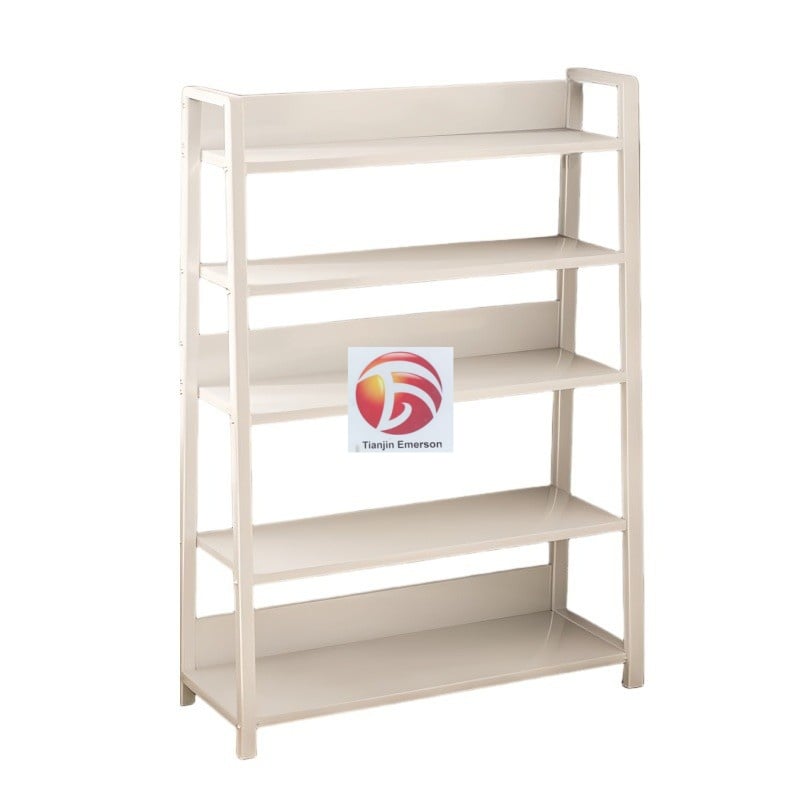
The appliance sector is a major consumer of galvanized sheet. It is used for the back panels of refrigerators, the housings of washing machines, the casings of air conditioners, and the bodies of microwave ovens. These applications benefit from the material’s resistance to humidity and cleaning agents, as well as its ability to accept powder coatings in various colors. Galvanized sheet is also found in furniture frames, shelving, storage cabinets, and HVAC components. Its smooth surface and uniform appearance make it suitable for both functional and decorative consumer products.
Applications in Automotive and Transportation
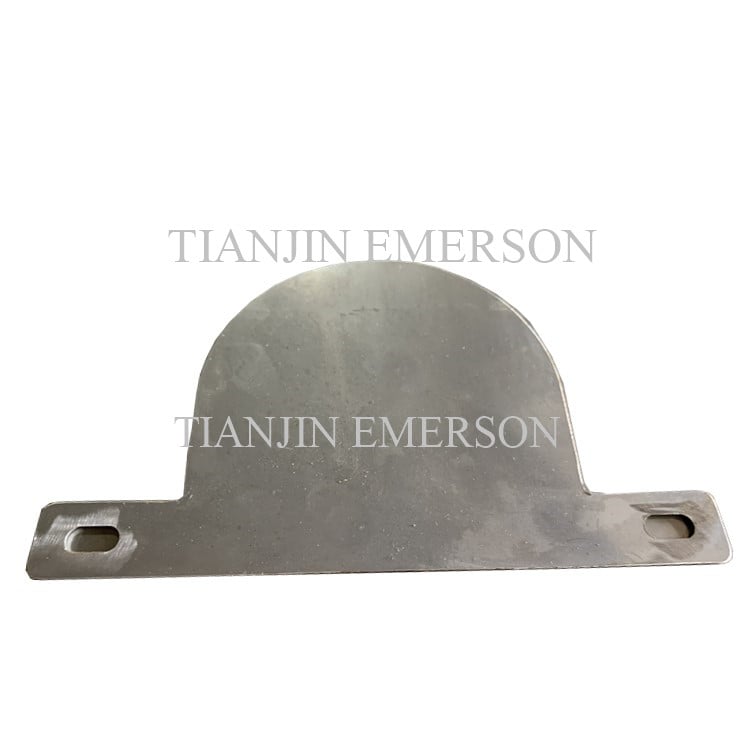
In the automotive industry, galvanized sheet is used for body panels, underbody components, exhaust systems, and structural brackets. The zinc coating protects against road salt, moisture, and stone-chip damage, extending vehicle life and reducing corrosion-related repairs. Commercial vehicles, trailers, and shipping containers also rely on galvanized sheet for side panels, roofs, and floors. In rail and marine transport, galvanized sheet is used for interior panels, ducting, and equipment enclosures. The material’s high strength-to-weight ratio contributes to fuel efficiency and payload capacity.
Fabrication and Processing Considerations
Galvanized sheet can be fabricated using conventional methods, but certain precautions apply. Laser cutting and plasma cutting are effective, though the zinc coating vaporizes and requires proper fume extraction. Bending and roll forming are easily performed, but the coating may crack if the bend radius is too tight; a radius of at least twice the sheet thickness is recommended. Welding requires removal of the zinc layer at the joint to prevent porosity and fume generation, followed by touch-up with zinc-rich paint. Painting and powder coating adhere well when the surface is properly pretreated. These processing characteristics make galvanized sheet adaptable to diverse manufacturing environments.
Sustainability and Environmental Benefits
Galvanized sheet contributes to sustainable construction and manufacturing. Steel is the most recycled material in the world, and zinc is also fully recyclable. The long service life of galvanized sheet reduces the consumption of raw materials and the generation of waste. The galvanizing process itself has become more energy-efficient, and modern lines recover zinc and heat. By choosing galvanized sheet, manufacturers and builders can lower the environmental footprint of their projects while maintaining high performance and durability.
Conclusion: A Versatile Material for Modern Industry
Galvanized sheet represents a practical and high-performance solution for a vast array of applications. Its corrosion resistance, durability, formability, and cost-effectiveness have made it a cornerstone of construction, appliance manufacturing, automotive production, and general fabrication. As industries continue to demand longer-lasting, lower-maintenance, and more sustainable materials, galvanized sheet will remain a preferred choice. Understanding its advantages and processing requirements enables engineers and fabricators to optimize designs and deliver reliable, long-lasting products.