
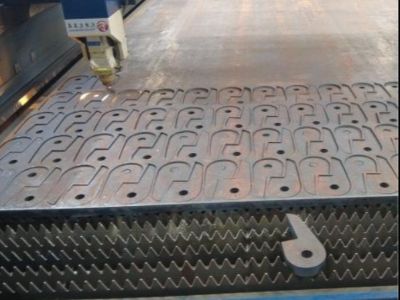
Custom CNC machine parts are essential components in industrial machinery applications, enabling precise manufacturing and enhancing operational efficiency. When sourcing these specialized parts, B2B buyers often prioritize quality, compatibility, and cost-effectiveness. This article will explore how to choose the right custom CNC machine parts, reliable sourcing options, quality evaluation techniques, common issues, and installation guidance, providing practical insights to help you make informed purchasing decisions.
Choosing the Right Custom CNC Machine Parts for Your Applications
Selecting the appropriate custom CNC machine parts involves understanding both the specifications of the parts and the requirements of your machinery. Key considerations include the material type, dimensions, and functional performance.
Material Selection: The material of the CNC parts should align with the application demands. For instance, steel coil is often chosen for its corrosion resistance, while aluminum may be preferred for its lightweight properties. Understanding the operating conditions such as temperature fluctuations, exposure to chemicals, and load-bearing requirements is crucial in material selection.
Dimensions and Tolerances: Accurate dimensions are vital to ensure the components fit seamlessly into existing machinery. Tolerances should be specified based on the operational precision required; tighter tolerances may be necessary for high-speed applications.
Functional Requirements: Consider the specific functions the parts will perform. For example, if parts will be subjected to high wear, selecting materials with enhanced durability and wear resistance is essential.
By clearly defining these parameters, you can effectively communicate your needs to manufacturers, ensuring you receive parts that meet your operational requirements.
Where to Source Reliable Custom CNC Machine Parts for Wholesale Needs?
Finding a reliable source for custom CNC machine parts is critical for maintaining production schedules and ensuring quality. As a direct factory, Tianjin Emerson offers a one-stop solution for a variety of metal processing and fabrication needs. Here are some strategies for sourcing:
Direct Manufacturers: Working directly with manufacturers like Tianjin Emerson provides access to a broader range of materials and customization options. Direct relationships can also facilitate better pricing and faster lead times.
Industry Trade Shows: Attending industry trade shows can help you discover new suppliers and evaluate their offerings. Personal interactions allow for immediate discussions about capabilities, quality control processes, and specific requirements.
Online Marketplaces and B2B Platforms: Utilize platforms that connect buyers with manufacturers. Ensure that the suppliers have established reputations by checking reviews, certifications, and past client testimonials.
Local Suppliers: Depending on your location, local suppliers can offer benefits such as reduced shipping times and costs. Assess their inventory and capabilities to ensure they can meet your specific needs.
How to Evaluate the Quality of Custom CNC Machine Parts for Projects?
Ensuring the quality of custom CNC machine parts is fundamental to the success of your projects. Here are several strategies to evaluate quality effectively:
Certifications and Standards: Verify if the manufacturer complies with industry standards or holds relevant certifications. This can include ISO certifications, which indicate adherence to quality management principles.
Sample Approval: Before committing to large orders, request samples of the parts. Testing samples in real-world conditions can reveal issues related to fit, finish, and functionality that might not be apparent from specifications alone.
Quality Control Processes: Inquire about the manufacturer’s quality control processes. Reliable manufacturers should implement rigorous testing and inspection methods at various production stages to ensure consistency and reliability.
Material Verification: Request documentation that verifies the material used in production. This ensures that the parts meet the specified requirements and are suitable for their intended application.
By implementing these evaluation techniques, you can significantly reduce the risk of defects and ensure that the parts perform as expected.
Common Problems with CNC Machine Parts and Effective Solutions
Despite careful selection and sourcing, various issues can arise with CNC machine parts. Understanding common problems and their solutions can save time and resources:
Dimensional Inaccuracies: Parts may not fit as intended due to tolerances not being met. This can occur if the specifications are not communicated clearly or if the manufacturing process is not tightly controlled. Always confirm tolerances and inspect steel structure manufacturing samples before mass production.
Material Defects: Inconsistent material quality can lead to performance failures. To mitigate this risk, ensure that suppliers provide detailed material certifications and conduct regular quality checks during production.
Surface Finish Issues: Poor surface finishes can affect the functionality and aesthetics of the parts. Specify the required surface finish in your order and consider post-processing options such as polishing or coating to enhance durability.
Incompatibility with Machinery: Parts may not operate effectively if they are not designed to suit the specific machinery. Conduct thorough application studies to ensure compatibility and seek advice from manufacturers when in doubt.
By addressing these common problems proactively, you can ensure smoother operations and reduce downtime.
Installation Guidance for Custom CNC Machine Parts in Industrial Use
Proper installation of custom CNC machine parts is crucial for optimal performance. Here are essential guidelines to keep in mind:
Pre-Installation Checks: Before installation, inspect all parts for any signs of damage or defects. Confirm that all dimensions and tolerances match the specifications provided.
Installation Procedures: Follow the manufacturer’s installation instructions closely. This may include specific torque settings, alignment procedures, and required tools. Deviating from recommended methods can lead to failures and increased wear.
Testing After Installation: Once installed, conduct tests to ensure functionality. This might involve running the machinery under its normal operating conditions to verify performance and identify any potential issues early.
Regular Maintenance: Implement a maintenance schedule that includes regular inspections of the installed parts. This laser cutting service can help catch wear and tear early, thereby prolonging the life of both the parts and the machinery.
By adhering to these installation practices, you can enhance the longevity and performance of custom CNC machine parts in your industrial applications.
Table of Contents
- Choosing the Right Custom CNC Machine Parts for Your Applications
- Where to Source Reliable Custom CNC Machine Parts for Wholesale Needs?
- How to Evaluate the Quality of Custom CNC Machine Parts for Projects?
- Common Problems with CNC Machine Parts and Effective Solutions
- Installation Guidance for Custom CNC Machine Parts in Industrial Use