
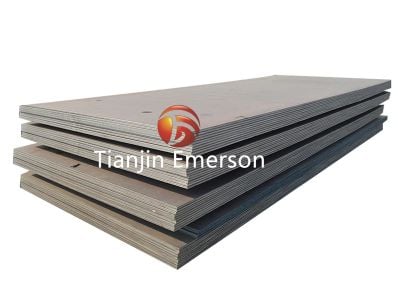
Steel plates are essential components in heavy equipment and structural manufacturing, providing the backbone for various applications. These plates must meet specific quality and performance standards to ensure durability and safety in demanding environments. As a B2B buyer, your primary concerns likely include evaluating the quality, sourcing reliable suppliers, and managing bulk orders effectively. This article will guide you through critical aspects of selecting steel plates for heavy equipment and structural manufacturing, addressing quality evaluation, sourcing strategies, common challenges, and bulk ordering techniques.
How to Evaluate the Quality of Steel Plates for Your Projects?
When assessing the quality of steel plates, several specifications play a crucial role. Start by checking the material composition; high-grade steel typically contains elements like carbon, manganese, and silicon, which enhance strength and durability. The thickness of the plates is also vital, as it directly affects load-bearing capacity. A thicker plate may be necessary for heavy equipment applications, while thinner plates could suffice for lighter structures.
Another critical factor is the surface finish, which can affect corrosion resistance and weldability. Common finishes include hot-rolled and cold-rolled processes, each providing varying levels of surface smoothness and mechanical properties. It's also essential to verify compliance with industry standards, such as ASTM or ISO certifications, ensuring that the steel coil meet rigorous quality benchmarks. Requesting a sample for inspection before placing a bulk order can help confirm that the materials meet your specifications and performance requirements.
Benefits for Importers and Distributors
Importers and distributors benefit significantly from sourcing high-quality steel plates. A reliable supplier can streamline the procurement process by offering one-stop solutions, including in-stock goods for prompt delivery, as exemplified by Tianjin Emerson's capabilities. This minimizes lead times and inventory costs, allowing distributors to respond quickly to customer demands. Furthermore, a direct factory relationship enhances communication, ensuring that specific requirements are met, whether for OEM, ODM, or small orders. Additionally, establishing a partnership with a manufacturer that emphasizes strict quality control can reduce the risk of material defects, ultimately saving costs associated with returns and rework.
Where to Source Reliable Steel Plates for Heavy Equipment?
Sourcing steel plates for heavy equipment requires careful consideration of suppliers. Start by evaluating their manufacturing capabilities and production equipment. A supplier with advanced machinery is likely to deliver consistent quality and precision in dimensions, which is crucial for heavy equipment applications. Look for manufacturers who provide detailed product specifications and quality certifications. Engaging with suppliers that offer customization capabilities can also be beneficial, allowing you to tailor specifications to your project needs. Networking within industry forums and trade shows can also lead to valuable connections with reputable suppliers. Tianjin Emerson, for example, stands out as a direct factory supplier with extensive experience in metal processing and fabrication, providing a trustworthy option for your sourcing needs.
Common Problems with Steel Plates and Practical Solutions
Several common issues can arise when dealing with steel plates, including warping, surface defects, and improper dimensions. Warping often occurs during the manufacturing process or as a result of temperature fluctuations during transport and storage. To mitigate this, ensure that proper handling and storage conditions are maintained. Surface defects, such as rust or pitting, can compromise the integrity of the plates. It's essential to inspect the surface upon receipt and before installation. When dealing with quality concerns, establishing an inspection protocol can help identify these issues early. Requesting documentation of quality checks from your supplier, steel structure manufacturing test reports, can provide additional assurance. Improper dimensions can lead to compatibility issues with machinery or structural components. Always verify that the dimensions match your project requirements before proceeding with mass production orders. A practical solution is to perform a fit test with a sample plate to confirm compatibility with existing equipment or structures.
How to Place Bulk Orders for Steel Plates with Confidence?
When placing bulk orders for steel plates, it's essential to prepare thoroughly to ensure a smooth procurement process. Start by gathering detailed information about your project requirements, including the type of steel, dimensions, and quantity. Be ready to provide this information when requesting quotations from suppliers. Confirming the minimum order quantity (MOQ) is also crucial, as different manufacturers may have varying MOQs, which can impact your purchasing strategy. In addition, clarify lead times and shipping options to ensure timely delivery, especially if the laser cutting service are required for a specific project timeline. Establishing a clear communication channel with your supplier can facilitate a more efficient ordering process. Discuss potential customization needs early to ensure they can be accommodated. By being proactive and organized in your approach to bulk orders, you can mitigate risks and enhance the likelihood of a successful procurement experience.